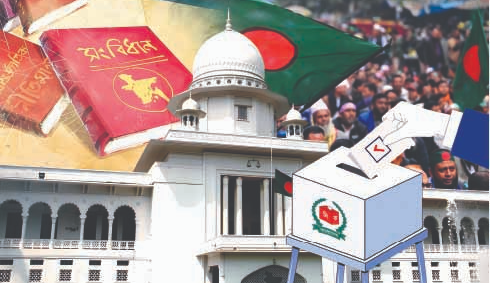
Bangladesh at the Brink: Rewriting a Nation’s Future
From time immemorial, the people of this land have been known as residents of Bulgakpur—the “City of Rebellion.” The name itself captures the essence...

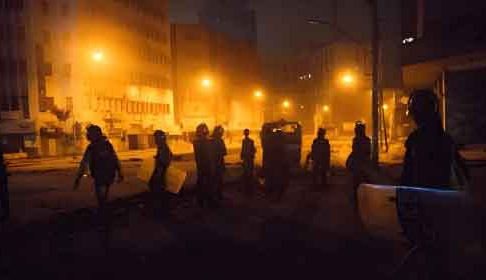
When night fell over Dhaka on May 5, 2013, it wasn’t just the streetlights that went out—it was as if the entire city held its breath. At Shapla Chattar, thousands of madrasa students and Hefazat-e-Islami supporters sat crowded under the open sky, clutching banners, Qurans, and hope. Most of them were teenagers—barefoot, hungry, but determined—dema...
From time immemorial, the people of this land have been known as residents of Bulgakpur—the “City of Rebellion.” The name itself captures the essence...
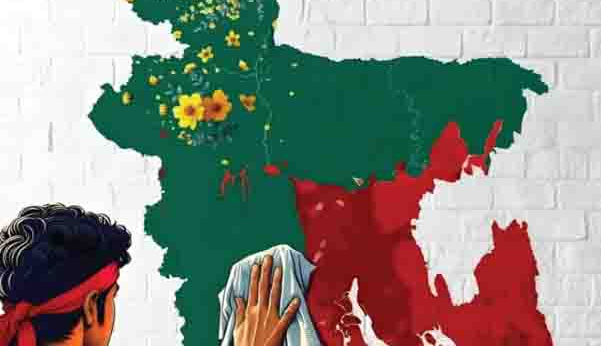
The July Declaration of 2024, composed of 28 articles, has already been elevated to the status of a “historic document” in Bangladesh’s political land...
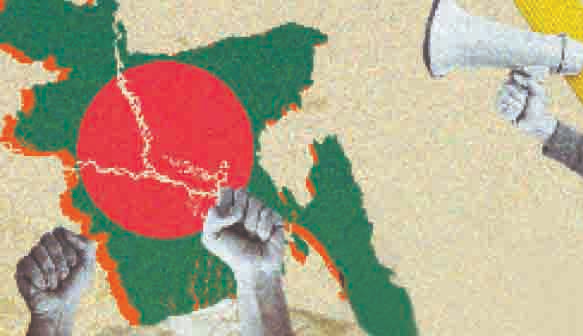
The National Consensus Commission’s recent submission to the interim government marks a pivotal moment in Bangladesh’s fraught transition — one with t...

In the tense days leading toward the declaration of the verdict date against ousted Prime Minister Sheikh Hasina—accused of genocide and crimes agains...
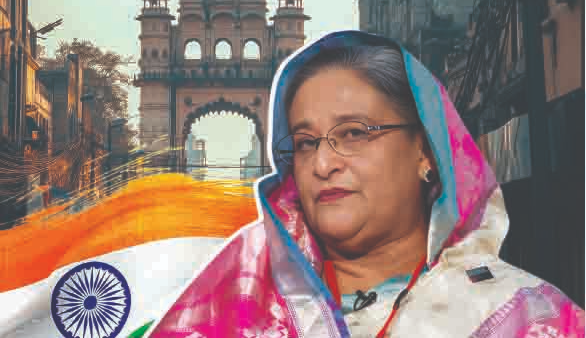
Sheikh Hasina once ruled Bangladesh with absolute control, but today she lives in guarded obscurity somewhere inside India—no longer a sitting prime m...

We are living above a loaded fuse — a metropolis whose latent vulnerabilities were made painfully visible by Friday morning’s tremors. A 5.7-magnitude...
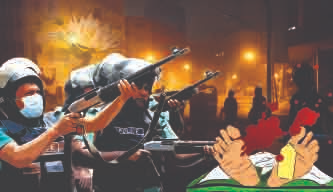
AFTER PART-1In the first part of this article, I concluded by stating that May 5 is not just a memory—it is a warning. It is a cautionary tale etched...

The exchange rate has developed into a hotly debated subject in practically every nation’s economy- similar in Bangladesh. Additionally, the exchange...
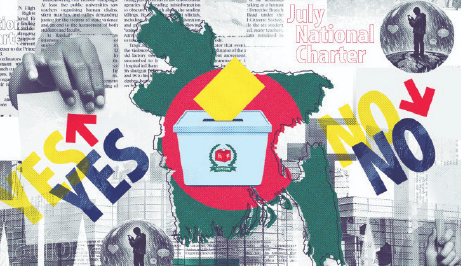
When a political party secures a two-thirds majority in parliament, it does not merely win an election, it acquires the structural authority to redesi...
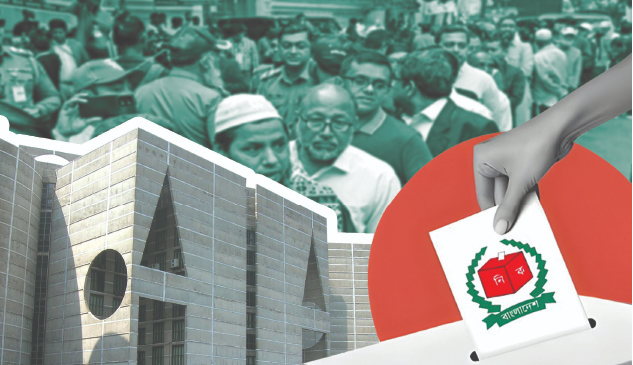
Bangladesh’s post-2026 transition will be judged not merely by the scale of electoral victory, but by whether power is institutionalised, opposition r...
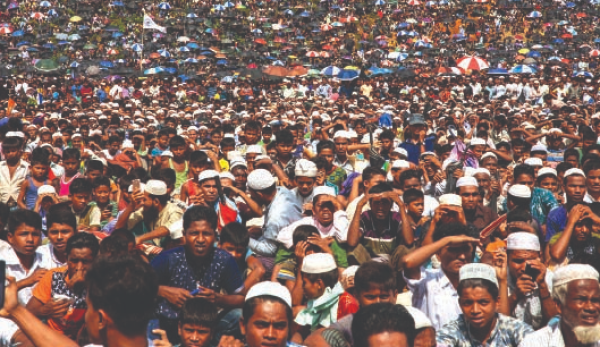
espite the International Court of Justice's (ICJ) efforts to protect the Rohingya, the humanitarian crisis faced by this predominantly Muslim ethnic g...
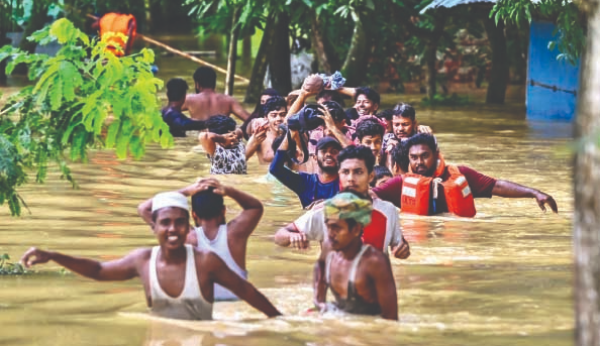
In August 1966, the International Law Organization convened in Helsinki, Finland, to address the critical issue of international river water usage and...
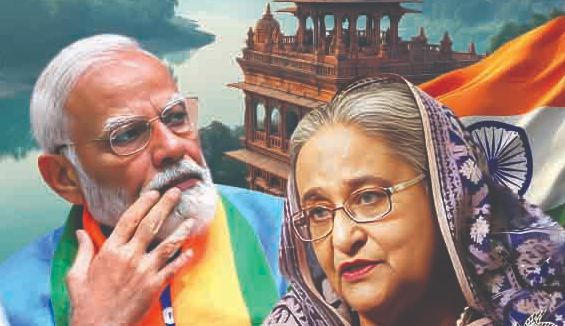
Over the last 15 years, Bangladesh lived under a political order that, to many critics, resembled not governance but a suffocating grip of authoritari...
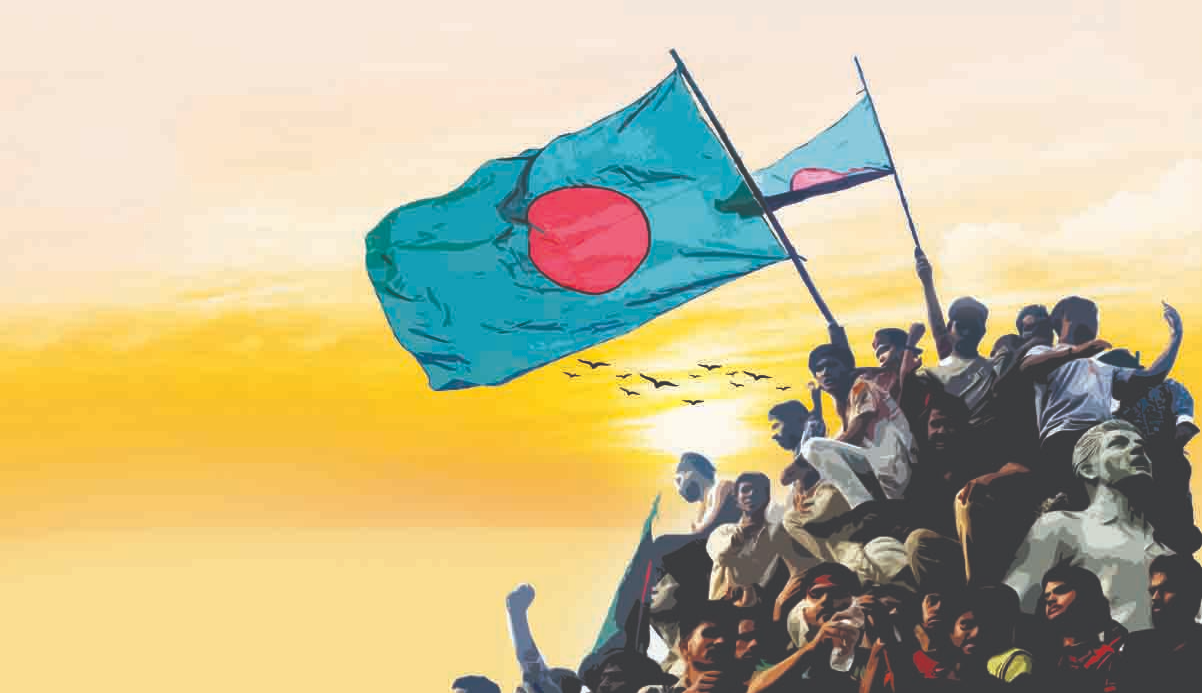
Bangladesh has often been characterized as a fertile ground for revolutions. Throughout our extensive historical journey, we, as a nation, have witnes...
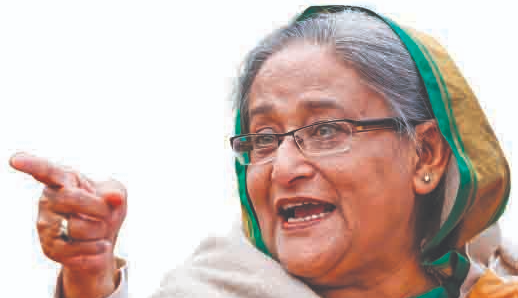
One year after Sheikh Hasina’s fall from power, a reckoning begins—not with rage, but with reflection. A reflection on a regime that claimed democracy...
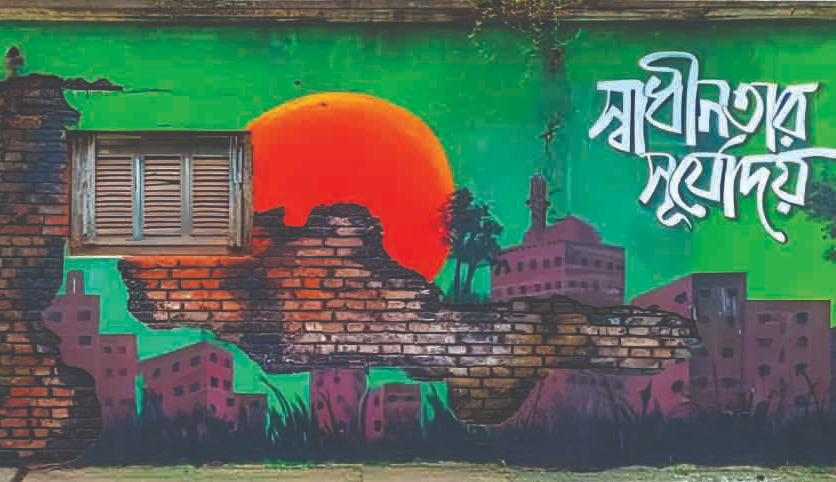
Revolutions are rarely orchestrated; they erupt. They arise not from a singular cause but from a complex mesh of social wounds, unfulfilled needs, and...
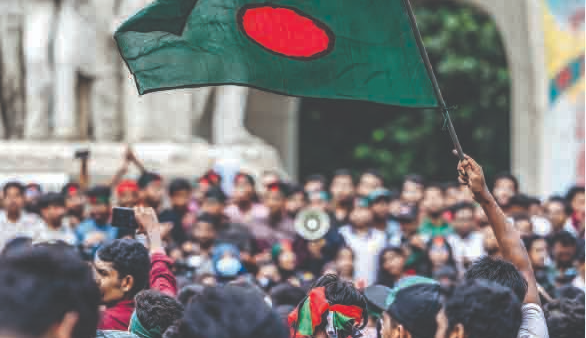
History, in its relentless rhythm, neither forgets nor forgives. It returns, again and again, not merely as a record of past events, but as a vigilant...
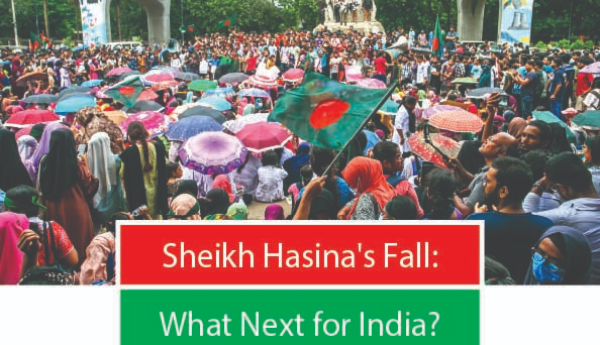
Bangladesh was practically a puppet government of Delhi under the leadership of Sheikh Hasina until now. Like Sikkim's Lendup Dorje, Sheikh Hasina, an...
You've successfully subscribed to our newsletter.
You are already subscribed to our newsletter!